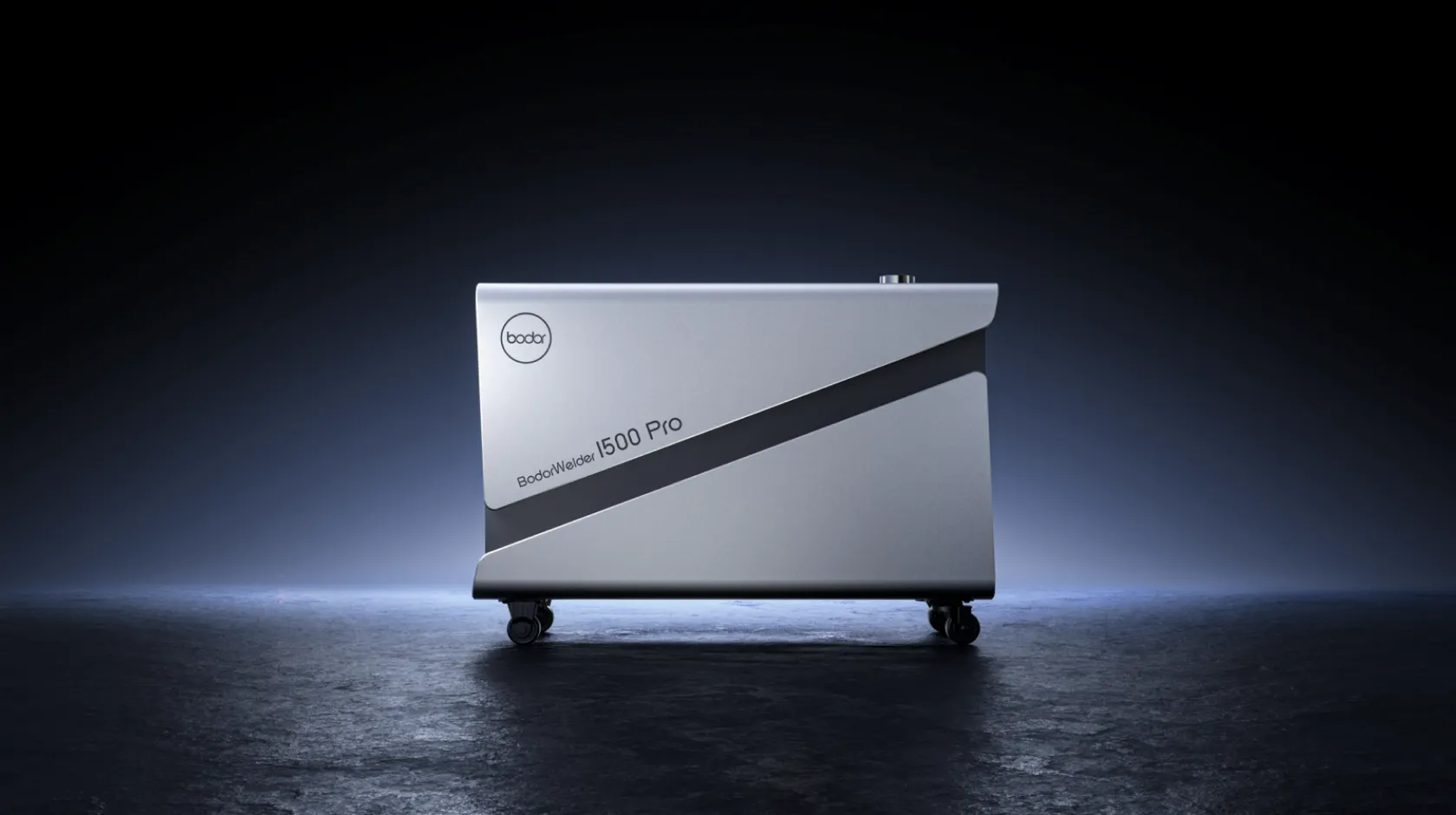
Why Self-Cooling Handheld Laser Welders Use Refrigerant Instead of Water
Refrigerant cooling helps self-cooling handheld laser welders achieve stable performance, lower maintenance, and a more compact design compared with traditional water or air cooling systems.

Fredy
Jan 23, 2024Trending and helpful laser knowledge for your success.


Handheld laser welding machines generate heat during continuous operation, and cooling performance plays a major role in welding stability, portability, and maintenance efficiency. For manufacturers and fabricators working across different environments, the cooling system is not just a technical detail. It directly affects ease of use, equipment reliability, and long-term productivity.
This is why self-cooling handheld laser welders are gaining more attention. Instead of relying on a traditional external water tank or bulky air-cooling setup, refrigerant cooling provides a more compact and practical solution. It helps maintain stable operating temperatures while supporting a lighter machine structure and lower maintenance requirements.
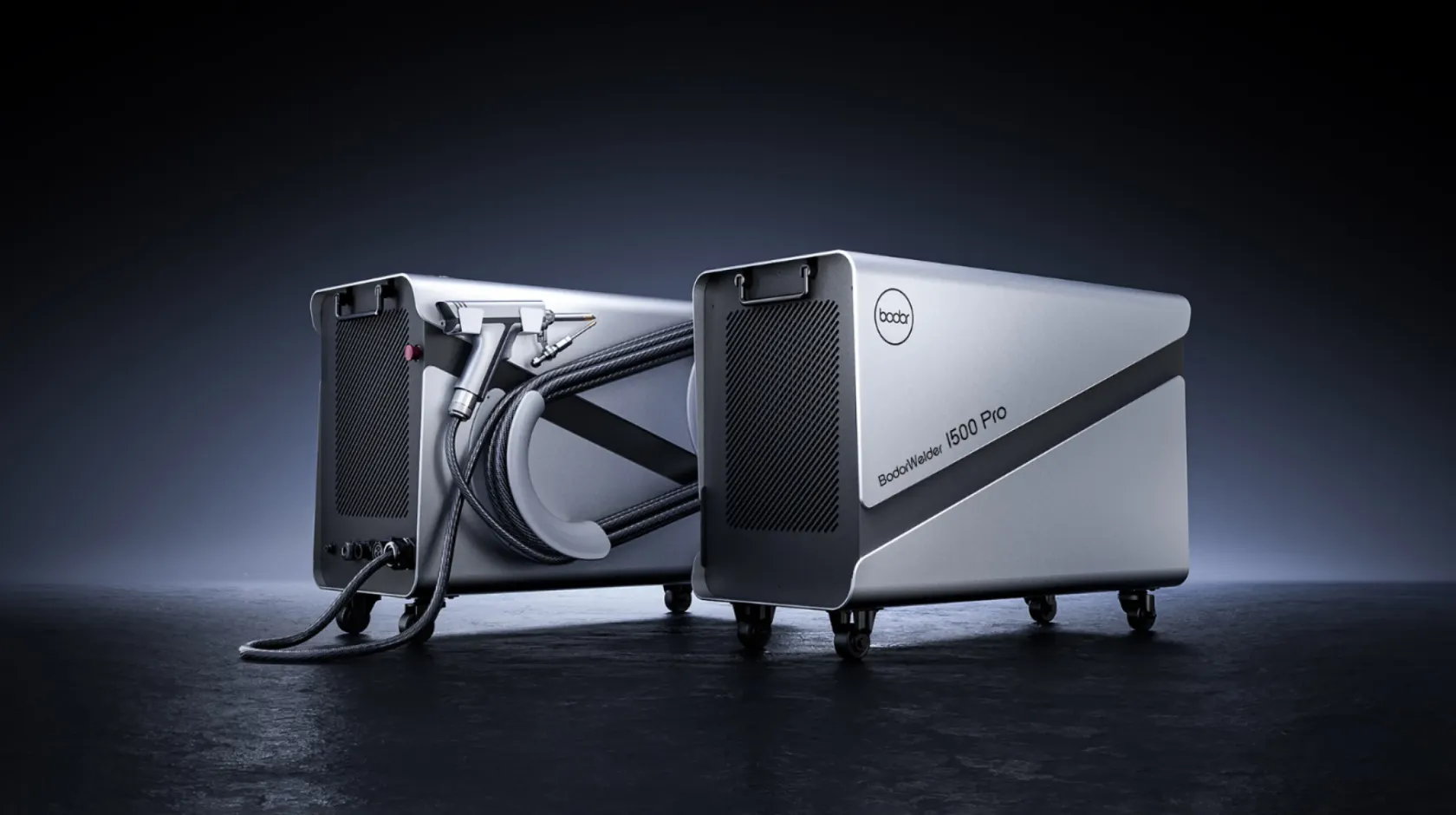
Why Cooling Matters in Handheld Laser Welding
During welding, the laser source and core components generate heat that must be controlled to maintain stable performance. If heat builds up too quickly, it can affect output consistency, reduce operating efficiency, and interrupt the welding process.
For handheld laser welders, cooling design is especially important because these machines are often used in flexible working environments. Operators may need to move them between workstations, use them in space-limited areas, or run them for long periods during production. A cooling system that is too bulky, too maintenance-heavy, or too dependent on environmental conditions can reduce the overall advantages of handheld welding.
A well-designed cooling system helps ensure:
more stable welding performance
more reliable long-duration operation
easier day-to-day maintenance
better portability for flexible use
What Is Refrigerant Cooling in a Self-Cooling Welder
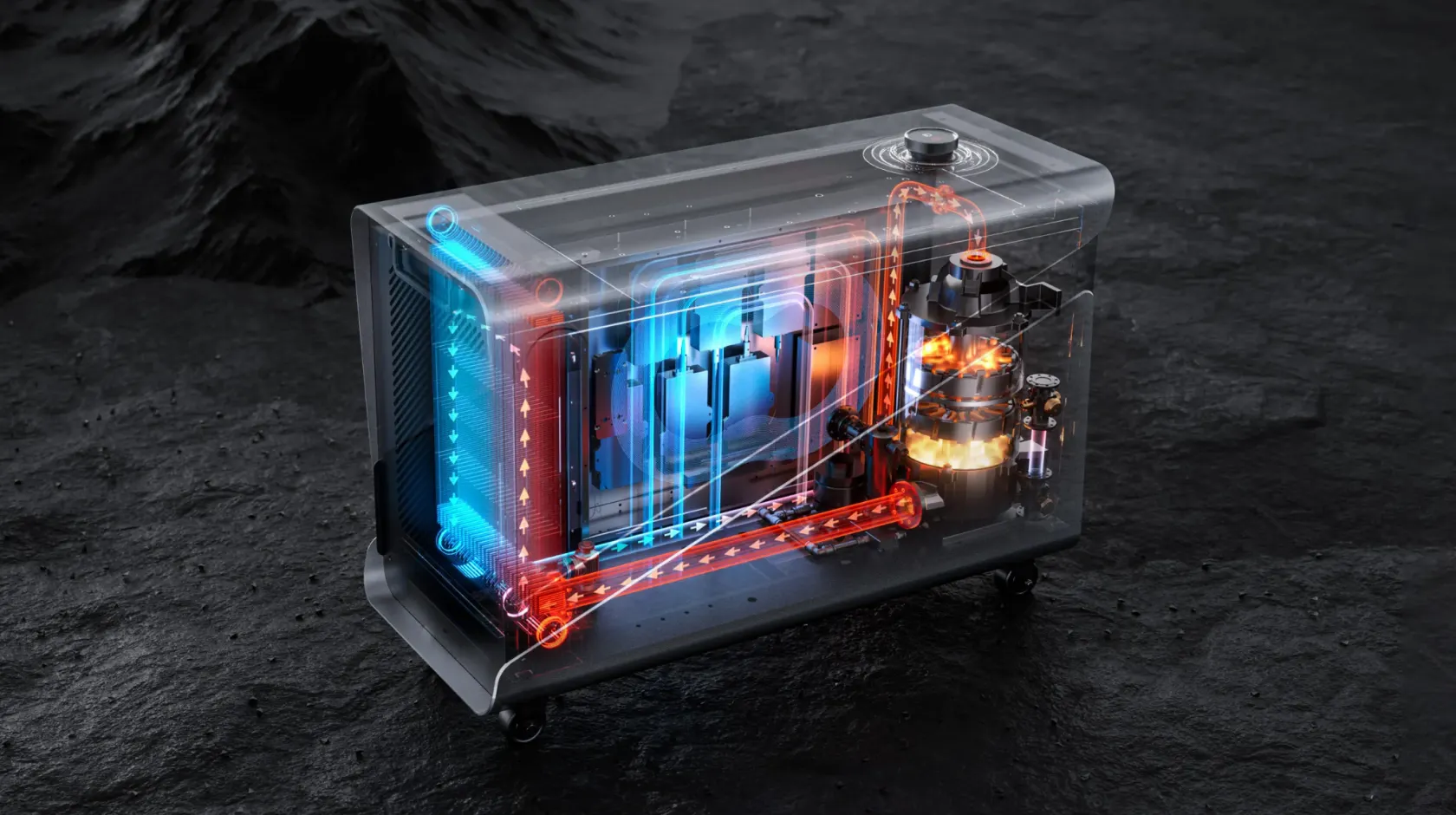
Refrigerant cooling uses a closed-loop system to transfer heat away from the machine’s core components and maintain a controlled operating temperature. In a self-cooling handheld laser welder, this approach allows cooling to happen within a more compact integrated structure.
Compared with traditional cooling methods, refrigerant cooling helps reduce the need for large external support systems. This makes it especially suitable for handheld laser welding machines where mobility, compactness, and ease of deployment are important.
For users, the main value of refrigerant cooling is simple: it helps the welder stay stable without making the machine more difficult to move, maintain, or operate.
Refrigerant vs. Water Cooling
Water cooling has long been used in industrial equipment, but it is not always ideal for handheld laser welding applications.
A traditional water-cooling system usually requires additional components such as a water tank, circulation structure, and regular water management. This can increase machine complexity and make transportation and operation less convenient. It also creates extra maintenance work, especially when users need to monitor water quality, refill the system, or prevent issues related to contamination and leakage.
Refrigerant cooling offers a more integrated alternative. Because it does not rely on an external water tank in the same way, it supports a more compact machine design and reduces routine maintenance needs. For users who prioritize portability and convenience, this can be a major advantage.
In practical terms, refrigerant cooling can help users achieve:
a more compact machine layout
reduced maintenance workload
improved portability
more convenient deployment in different work locations
Refrigerant vs. Air Cooling
Air cooling can work well in some light-duty applications, but it may be less suitable for handheld laser welding environments that require consistent performance over longer periods.
Compared with refrigerant cooling, air cooling can be more affected by ambient temperature and surrounding working conditions. In hot environments or demanding production settings, cooling performance may be less stable. This can limit operating consistency and reduce the machine’s ability to maintain ideal working temperatures.
Refrigerant cooling offers a more controlled approach. It helps maintain temperature stability more effectively, which is especially valuable when operators need reliable performance in different seasons, workshops, or industrial settings.
For users, this means better support for:
continuous welding tasks
changing workplace conditions
stable output during demanding jobs
more dependable overall machine performance
The Advantages of a Self-Cooling Design
One of the biggest benefits of refrigerant cooling is that it supports true self-cooling machine design. This is especially important in handheld laser welding, where portability is one of the main selling points.
A self-cooling design helps reduce dependence on large external cooling accessories, allowing the equipment to remain more compact and easier to move. This makes the machine more suitable for workshops that value flexible layout, faster deployment, and easier equipment handling.
For many users, self-cooling design also improves the everyday operating experience. A lighter and more integrated system can reduce setup complexity and help operators focus more on welding efficiency.
Key benefits of self-cooling handheld laser welders include:
easier movement between work areas
cleaner and simpler machine structure
reduced auxiliary equipment requirements
more convenient operation in flexible production environments
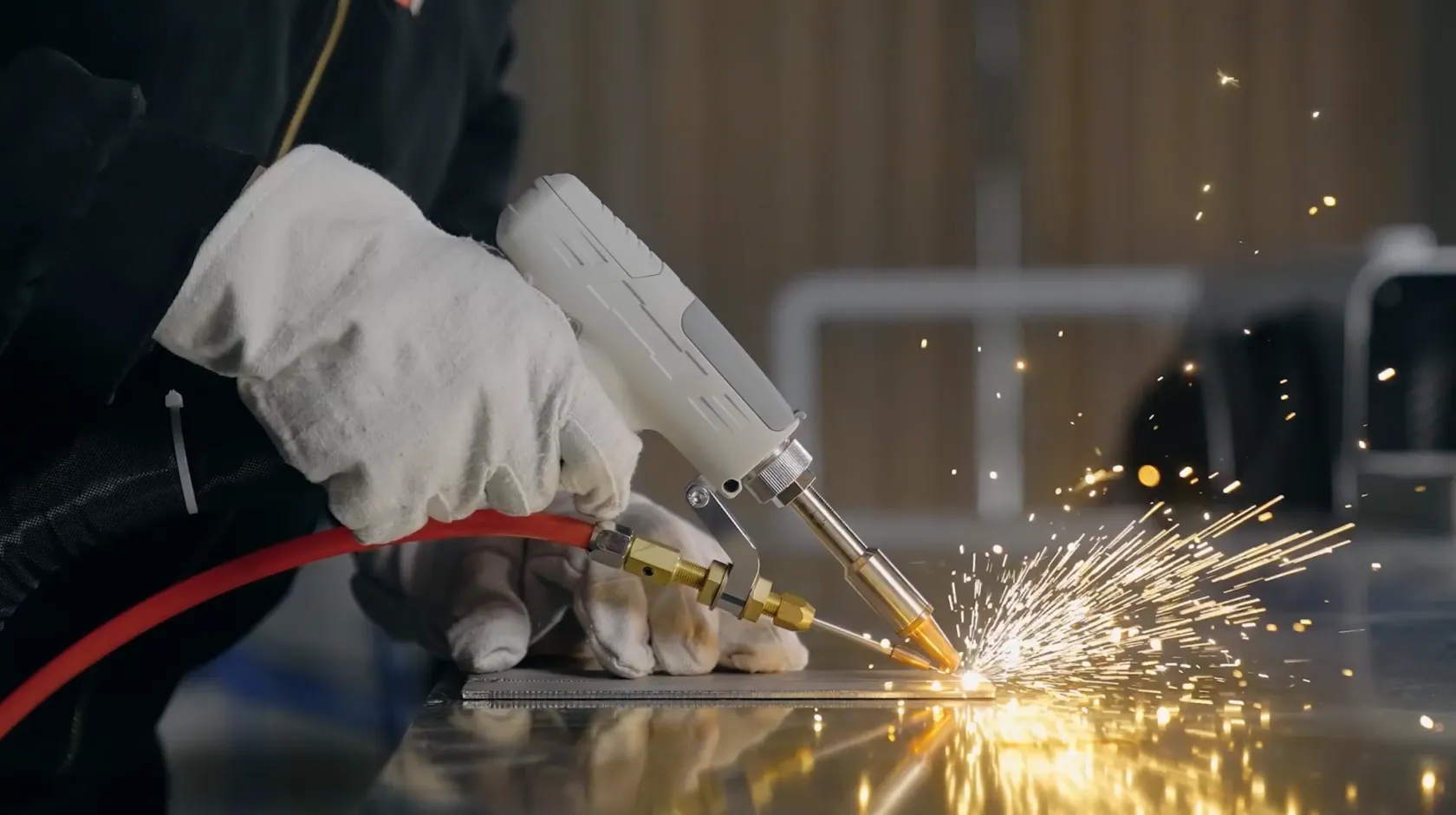
Why Refrigerant Cooling Supports Better User Experience
When users choose a handheld laser welder, they are not only evaluating welding quality. They are also looking at machine size, portability, maintenance, and reliability.
Refrigerant cooling addresses these real-world concerns by improving the balance between performance and practicality. It helps users maintain stable welding results while reducing the complications that can come with traditional cooling systems.
This makes refrigerant cooling especially attractive for businesses that want:
portable laser welding equipment
lower maintenance demands
better adaptability across working conditions
reliable long-term operation
a more efficient daily workflow
Bodor’s Self-Cooling Handheld Laser Welding Solution
Bodor applies refrigerant cooling technology in its self-cooling handheld laser welding solution to support a more portable, compact, and user-friendly machine design. This approach is designed to help users maintain stable welding performance without the added burden of traditional cooling complexity.
For manufacturers, fabricators, and metalworking professionals, a self-cooling handheld laser welder can offer a more practical balance of mobility, reliability, and operating convenience.
Conclusion
Cooling technology has a direct impact on the performance and usability of handheld laser welding machines. Compared with traditional water cooling or basic air cooling, refrigerant cooling offers clear advantages in compact design, temperature stability, reduced maintenance, and portability.
That is why more self-cooling handheld laser welders are using refrigerant-based cooling systems. For users who need stable welding performance and a more convenient operating experience, it provides a more practical solution for modern metal fabrication.